

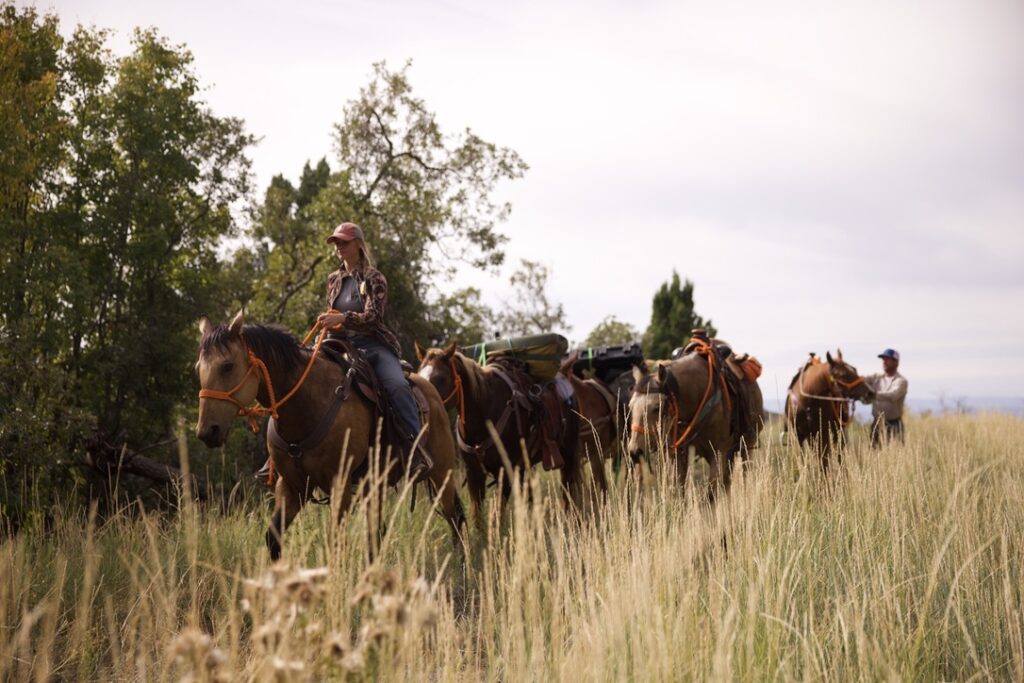
A stunning photo of a mountain trail can catch someone’s eye, but it’s rarely what convinces them to book the trip. Outdoor storytelling marketing works because it taps into something photos and specs alone can’t, the feeling of actually being there. For outdoor brands, the difference between a scroll past and a booked trip often comes down to whether the content tells a story worth remembering. Numbers and amenities inform a decision, but stories are what move someone to act on it. This piece looks at why storytelling has become such a powerful tool for outdoor brands and how to use it well.
Why Stories Convert
Why do stories convert better than standard advertising?
People remember stories far longer than they remember lists of features or amenities, and that memory often translates directly into action. A well told story creates a mental image of an experience, making it easier for someone to picture themselves in it. This kind of imagined experience tends to build stronger purchase intent than a straightforward pitch ever could. Outdoor brands especially benefit from this, since the appeal of their offering is almost entirely experiential rather than product based. Stories convert because they sell the feeling of an experience, not just its logistics.
Capturing Real Experiences
How can brands capture authentic outdoor experiences for storytelling?
The strongest outdoor content usually comes from real trips, real guests, and real moments rather than staged or overly polished setups. Candid photos and videos, a genuine reaction to a great catch or a hard earned summit, carry a level of authenticity that scripted content can’t replicate. Encouraging guests to share their own experiences, then featuring that content, often produces some of the most compelling material a brand can use. This kind of raw, real storytelling resonates because it reflects what a potential customer can actually expect. Authenticity remains one of the most valuable ingredients in outdoor marketing content.
Emotional Engagement
Why does emotional engagement matter in outdoor marketing?
Outdoor experiences are inherently emotional, tied to challenge, connection, and moments of genuine awe that logic based marketing rarely captures. Stories that lean into these emotions, the quiet stillness of a sunrise hike or the adrenaline of a river crossing, create a much stronger connection than a simple product description. This emotional resonance often stays with a potential customer long after they’ve closed a tab or scrolled past a post. Brands that consistently tap into this emotional core tend to build stronger, more lasting audience relationships. Emotional engagement is often the difference between content that’s forgotten and content that’s remembered.
Using Stories Across Platforms
How should storytelling change across different marketing platforms?
The core story often stays the same, but its format needs to adapt depending on where it’s being shared. A short, visually driven version might work best on social media, while a longer, more detailed narrative suits a blog post or email newsletter. Video tends to capture emotional moments especially well, while written content allows room for more detail and context. Repurposing a single strong story across multiple formats maximizes its reach without requiring constant new content creation. Thoughtful adaptation across platforms helps a single story work harder for the brand.
Driving Bookings
Can storytelling actually drive more bookings?
A well crafted story does more than entertain, it moves a potential customer closer to picturing themselves on the trip and ready to commit. Stories that clearly show what an experience feels like tend to reduce hesitation, since they answer unspoken questions about what to expect. Pairing strong storytelling with a clear, low friction call to action often converts interest into an actual booking. Brands that consistently use storytelling this way tend to see stronger engagement translate into real business results. Ultimately, the goal of every story is to move someone from watching to booking.
Great outdoor marketing doesn’t just showcase a destination, it makes people feel like they’re already there. Gray Peak Marketing helps outdoor brands turn real experiences into stories that build trust and drive bookings. If you’re ready to bring your brand’s story to life, reach out to our team today.