
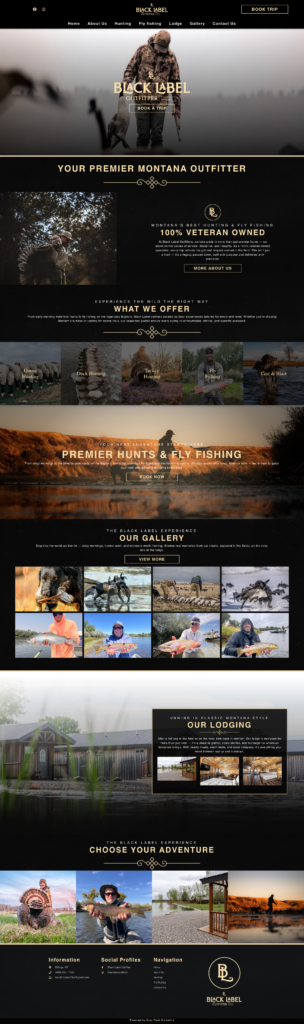
A website often makes the first impression on a potential client long before a guide, boat, or trip ever enters the picture. Outdoor website mistakes quietly cost businesses bookings every day, even when the actual experience being offered is excellent. Many outdoor operators pour resources into trips and guest experience while overlooking the digital front door that determines whether someone books in the first place. Small, fixable issues often make the difference between a visitor who books and one who quietly leaves for a competitor. This guide breaks down the most common mistakes and why they matter so much.
Poor UX
How does poor website design lead to lost bookings?
Confusing navigation, cluttered layouts, and hard to find information frustrate visitors before they ever get a chance to consider booking. Potential clients researching an outdoor trip often want quick answers, availability, pricing, what’s included, and a poorly organized site makes that information difficult to find. Mobile usability matters especially here, since many visitors browse and book directly from their phones while planning trips. A confusing user experience often causes visitors to leave before ever reaching a booking page. Clean, intuitive design keeps potential clients engaged long enough to actually consider booking.
Weak CTAs
Why do weak calls to action hurt bookings?
A vague or buried call to action leaves visitors unsure of what to do next, even if they’re genuinely interested in booking. Clear, specific CTAs, like “Book Your Trip” or “Check Availability”, perform far better than generic phrasing like “Learn More” or “Click Here”. Placement matters too, CTAs tucked away at the bottom of a long page often get missed entirely by visitors who don’t scroll that far. Repeating a strong CTA at multiple points throughout a page increases the odds a visitor takes action when they’re ready. Strengthening CTAs is often one of the simplest, highest impact fixes an outdoor business can make.
Outdated Visuals
How do outdated visuals affect a potential client’s trust?
Old or low quality photos can make an otherwise excellent outdoor experience look outdated or unprofessional at first glance. Visitors often judge the quality of an experience based heavily on the visuals representing it, fair or not. Outdated visuals can also misrepresent current equipment, guides, or conditions, creating a mismatch between expectations and reality once a trip actually happens. Regularly updating photos and video keeps a website feeling current and reflective of the actual experience being offered today. Strong, current visuals often do more to build trust than any amount of written description.
Slow Speed
How much does website speed actually impact bookings?
Slow loading websites frustrate visitors quickly, often causing them to leave before a page even fully loads, especially on mobile devices. Search engines also factor page speed into rankings, meaning a slow site can hurt visibility in search results before a visitor even arrives. Large, unoptimized images are one of the most common culprits behind sluggish load times on outdoor business websites. Even a few extra seconds of load time can measurably increase the number of visitors who abandon a site before booking. Prioritizing site speed is a technical fix with a direct impact on real world bookings.
Missing Trust Signals
What trust signals should outdoor websites include?
Reviews, certifications, safety information, and clear contact details all help reassure potential clients that a business is legitimate and reliable. Missing or hard to find trust signals can leave visitors hesitant, especially for outdoor activities that involve real physical risk or significant cost. Featuring specific, detailed reviews rather than vague praise tends to build stronger confidence in potential clients. Clearly displaying licensing, insurance, or safety certifications, when applicable, further reinforces credibility. Strong trust signals often tip a hesitant visitor toward finally booking rather than continuing to compare options elsewhere.
Small website issues can quietly cost outdoor businesses bookings every single day, even when the actual experience is excellent. Gray Peak Marketing helps outdoor businesses identify and fix these common website mistakes to turn more visitors into bookings. If you’re ready to improve your website’s performance, reach out to our team today.